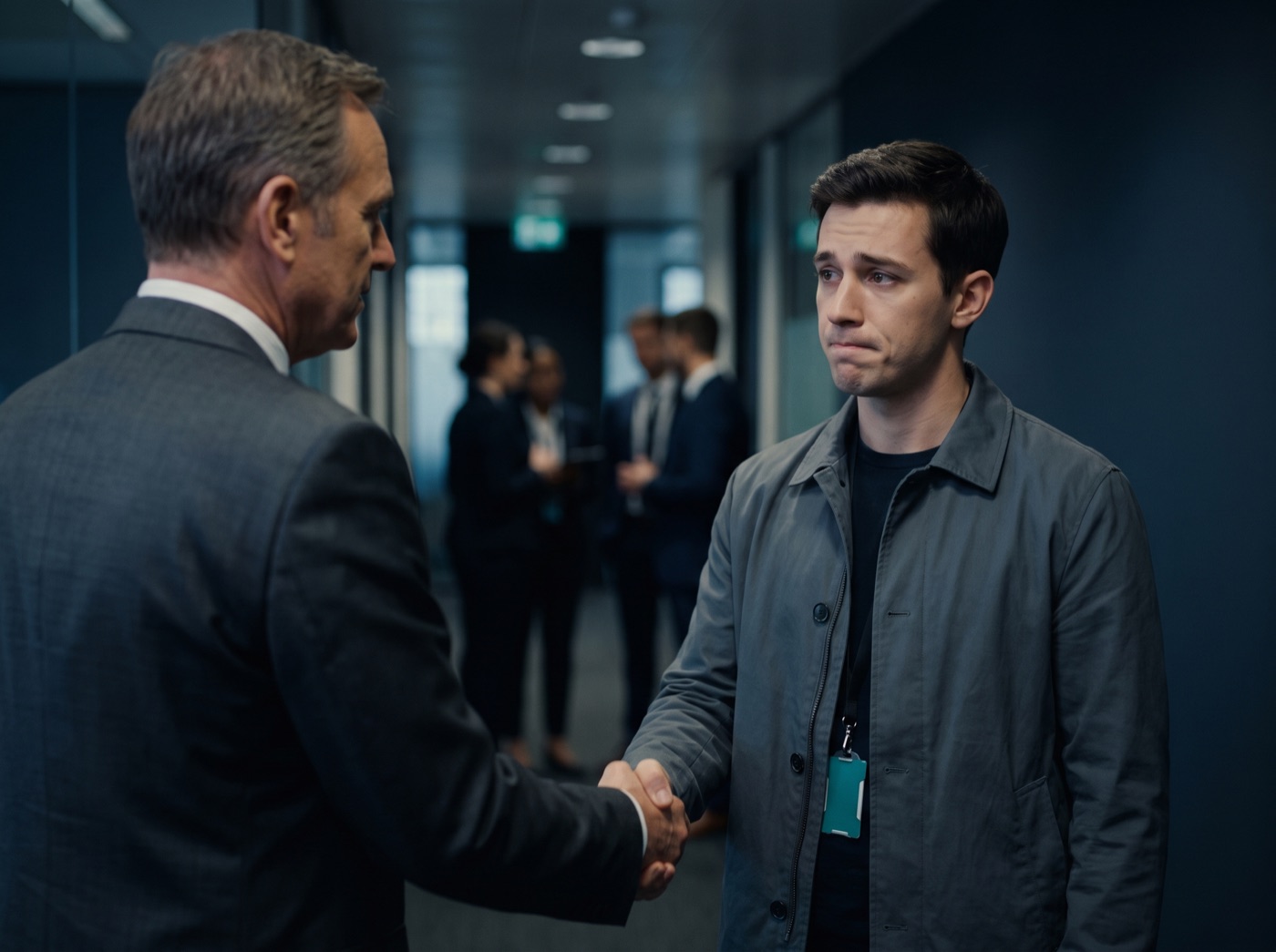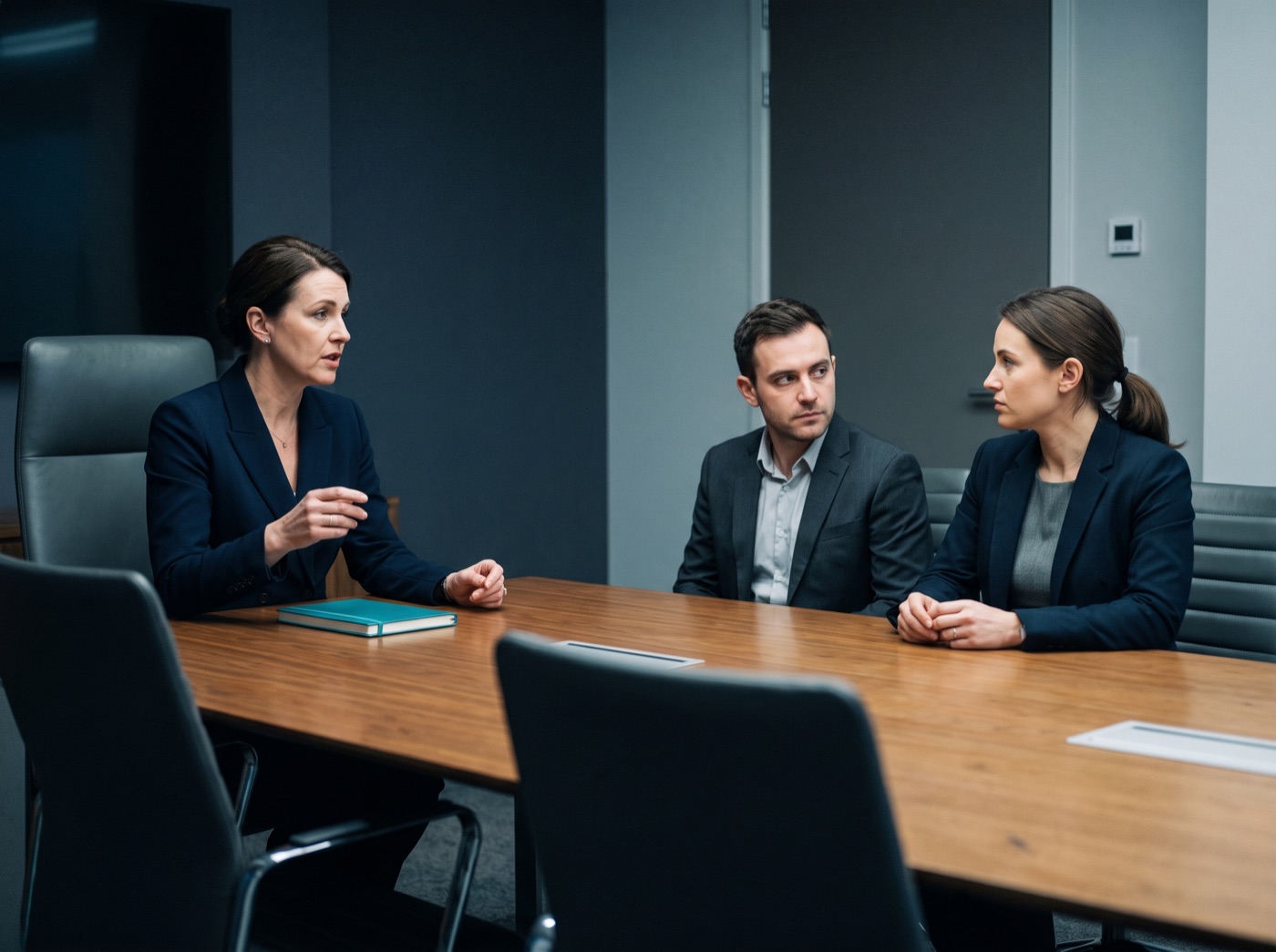
A manager coaching a team member one-on-one

Management isn't inherited. It's trained.

People leave managers who were never taught to lead. We develop managers from what your employees say they need — facilitated, practiced, and accountable — so how people are led changes on Monday morning.

Employees don't experience a competency model. They experience how their manager shows up every day. The gap is rarely technical skill. It is day-to-day behavior. And behavior can be measured, practiced, and changed.

How manager problems occur

Nobody sets out to be a bad manager. Most were simply never taught.

Across roughly one million interviews, the path from promising promotion to preventable exit runs through the same four moments. Every one of them is a training gap, not a character flaw.

What it costs

An untrained manager is the most expensive decision you never made.

The cost of a manager who was never developed rarely shows up on their own line. It shows up in their team's turnover, their team's engagement, and the departures a better-led team would not have had. Good management is not a soft skill. In your employees' own words, it is a retention strategy.

#1
career development: the top reason employees have given for leaving since 2011, and the conversation managers are expected to lead
33%
of annual salary — the conservative cost of each departure a better-led team would not have had
A per-manager example

A team of twelve that loses three people a year instead of two costs one extra departure — about $18,000 a year at a $54,000 salary. Across forty managers, that is more than $700,000 a year, before counting the teams that lose far more than one.

How Work Institute develops managers

Start from what your employees said. Then teach exactly that.

Most leadership training starts from a catalog. Ours starts from the evidence — the issues your own workforce research has already uncovered — so the development your managers get is the development your people asked for.

01 Listen

Find out what your people need from their managers.

Exit, stay, and engagement interviews tell us which manager behaviors are driving people out and which are keeping them. Leadership insight tools show each manager how their team actually experiences them. Third-party, so the answers are honest.

The research we use
02 Learn

See which skills, for which managers, would move the number.

We map the findings to the specific capabilities each cohort is missing — coaching, feedback, difficult conversations, accountability — benchmarked against roughly one million interviews. The curriculum is selected from the evidence, not assigned from a menu.

What you get
Manager-level insight Evidence-based curriculum design
03 Act

Develop them through practice, not a slideshow.

Facilitated, experiential sessions — in person or virtual, in cohorts or one-on-one — with assignments between them and accountability for applying the skill on the job. Then we measure again, so you know how your managers are leading has changed, not just what they have heard.

How we help you act

Leadership development is where much of our client work ends up — because once the research names the cause, the cause is very often how people are being led.

See the full approach 
The program at a glance

Leadership development built around what your employees said.

Facilitated, experiential sessions with accountability between them — so managers practice the skill, apply it on the job, and come back to report what happened. Not a lecture. Intentional practice.

  • In person or virtual
    Live sessions on site, at our Franklin, Tennessee campus, or online — the same facilitators either way.
  • Group cohorts or one-on-one
    Cohorts of managers who learn together, or individual development for a specific leader.
  • Monthly sessions over 6 to 8 months
    Typical cohorts meet monthly, with assignments and accountability partners between sessions.
Topics we teach 30+ evergreen modules. We select and sequence them from your employee feedback.
  • Communication and active listening
  • Coaching and mentoring
  • Difficult conversations
  • Conflict management
  • Accountability and goal setting
  • Emotional intelligence
  • Situational leadership
  • Strengths-based leadership
  • Change management
  • Team cohesion and collaboration
  • Managing across generations
  • Decision-making frameworks
  • Meeting facilitation
  • Professionalism and ethics
  • Inclusive recruiting and retention
  • Finance for non-financial managers

Not sure which topics your managers need? That is what the conversation is for. We start from what your employees have told us, not from a catalog.

Schedule your program
Why this works when other efforts haven't

Fair questions from leaders who have tried to fix this before.

“We've done leadership training. It didn't stick.”

A one-day workshop rarely does. Skills stick when they are practiced, applied on the job, and reported back on — which is why our sessions are spaced out, with assignments and accountability partners between them. Intentional practice, not passive instruction.

See the program
“We promoted them because they were good.”

They were — at the job before this one. Managing people is a different skill set, and almost no one inherits it. The organizations that keep their best people treat management as a trained discipline, not a reward for tenure.

How manager problems occur
“Our managers don't have time for this.”

They are already spending it — on re-hiring, re-training, and the conversations that go badly because no one showed them how. A monthly session is cheaper than the third resignation this quarter, and we schedule around the business, in person or online.

Explore all workforce challenges
Proof, adjacent to the claim

Organizations whose managers started moving the needle.

View all case studies 
Healthcare
−42%
first-year nursing attrition

A hospital system paired onboarding studies with manager coaching built from what new nurses said about their first 90 days — and kept them past their first year.

Read the case study 
Financial services
+18 pts
engagement in four quarters

Acting on voice-of-employee findings — much of it about how teams were led — lifted engagement scores across every business unit within a year.

Read the case study 
Manufacturing
$3.8M
annual turnover waste recovered

Exit and stay interviews traced avoidable turnover to two fixable causes leadership had overlooked. Neither was pay.

Read the case study 

People don't leave companies. They leave the way they are led. And how people are led can be measured, practiced, and changed.

The Work Institute belief
How to get started

From first conversation to first session, here is the whole sequence.

Step 01 · Week 1

A strategy conversation.

Thirty minutes with a retention expert. You describe what you are seeing in your managers and their teams; we tell you what we have seen in organizations like yours and whether a program fits.

Step 02 · Weeks 2 to 4

Program design from your evidence.

We select and sequence topics from your employee feedback, agree on format — cohort or individual, in person or virtual — and set the calendar. If you have no workforce research yet, this is where we scope it.

Step 03 · Month 2 onward

Sessions begin. Practice between them.

Cohorts typically meet monthly over six to eight months, with assignments and accountability partners in between. We re-measure at the end, so you can see what changed in how your people are led.

There is no proposal at the end of the first call, and no obligation to take one. The next step is simply to tell us what is happening with your managers.

The next step

Tell us about your managers. We'll tell you what would make them better.

One 30-minute conversation with a retention expert — not a salesperson. Bring what you are seeing in your teams and any workforce research you already have. You'll leave with the likely skills gaps, what a program would look like, and when it could start.

  • Scoped to your managers Cohort or individual, in person or virtual — we'll recommend a shape, not a package.
  • An expert, not a rep You'll talk with the people who run the interviews and design the programs.
  • No proposal unless you ask for one If a program makes sense, we'll say so. If it doesn't, we'll say that too.

Schedule your program conversation

We reply within one business day. No automated sequence.

We don't sell or share your information, and you won't be added to a drip campaign.